

Schools and universities today are adjusting to big changes in how we produce and use energy around the world. Many educators now see that students really learn better when classroom lessons are combined with actual hands-on activities. Sure, traditional lectures give a solid base of information, but they often don’t fully equip students to handle the latest developments in energy tech. That’s where green hydrogen microgrids come in as a smart option. These compact systems bring together renewable energy sources, hydrogen creation, storage, and usage all in a setup that’s easy to scale up or down. They make excellent real-world tools for teaching, experiments, and research, while also helping make campuses more sustainable.
This guide walks you through a straightforward process for building these microgrids in educational settings.
Step 1: Establish Clear Learning Goals
Any project like this needs to start with specific aims in mind. Your green hydrogen microgrid should tie directly into what you want students to learn things like renewable energy engineering, how power systems work, electrochemistry basics, or even energy policy issues. Figure out the main focus: is it mostly for regular classes, lab sessions, student-led research, or showing it off to visitors? By matching the system’s size and features to these goals, you’ll ensure it fits perfectly for your students.
Step 2: Incorporate Renewable Energy Generation
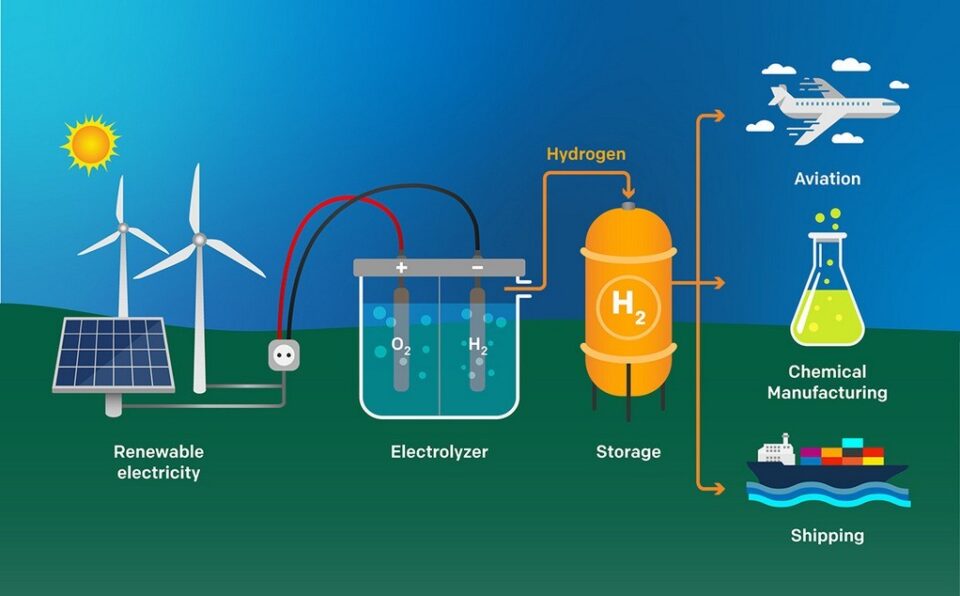
Most school setups go with solar panels or small wind turbines because they’re straightforward to install and great for teaching. Students get to watch power output fluctuate live, which helps them grasp problems like unpredictable supply and keeping energy stable. Seeing this in action really drives home how varying renewables affect hydrogen making and blending clean sources into the mix within a green hydrogen microgrid environment.
Step 3: Introduce Electrolysis for Hydrogen Generation
The key process here is electrolysis using electricity to split water into hydrogen and oxygen—which opens up tons of practical lessons. Many institutions pick proton exchange membrane (PEM) or alkaline electrolyzers since they’re dependable and work well in school labs. Hands-on time with these lets students dig into things like how efficient the process is, where energy gets lost, and different control techniques, all while building a stronger grasp of electrochemistry.
Step 4: Prioritize Safe Hydrogen Storage
When planning storage, safety and solid engineering come first. For education, people usually choose low-pressure tanks or metal hydride options to keep risks low. This part gives students a chance to learn about real limits in storage, important safety rules, choosing materials, and following regulations—helping them understand everyday challenges faced in a green hydrogen microgrid setup.
Step 5: Facilitate Energy Conversion and System Integration
Once you have hydrogen, you can turn it back into electricity with fuel cells or use it for heating or even vehicles. Bringing in fuel cells allows students to look at energy demand patterns, how to dispatch power, and overall reliability. It clearly shows how these microgrids make things more resilient and how they link up with the main campus grid or outside utilities.
Step 6: Add Monitoring and Data Tools
Good monitoring takes the learning value up a notch. With sensors, data loggers, and software, you can track things like efficiency, how much emissions are cut, and system steadiness. Having access to live data and past records encourages students to analyze results and gets them ready for real jobs in improving energy systems.
Step 7: Emphasize Safety, Compliance, and Broader Impacts
Working with hydrogen always means putting safety first. You’ll need proper ventilation, leak detectors, and clear emergency steps. Stick to standards like ISO/TR 15916. Plus, the setup can highlight bigger picture ideas, such as full lifecycle reviews and paths to cutting carbon, tying day-to-day operations to global sustainability efforts.
Conclusion
Setting up green hydrogen microgrids gives schools and universities a powerful way to boost energy education. Students get to work directly with integrating renewables, hydrogen tech, and system management, closing the gap between what they hear in lectures and what happens in practice. This builds strong technical know-how, sharp thinking skills, and a real understanding of moving toward sustainable energy. With smart planning and setup, these systems can truly prepare the next generation for jobs in a cleaner, low-carbon world.
